

What Is the Connection Between Ozempic and Peptide Therapy?
At JosephCareRX, Dr. Leah Joseph, MD, FACP helps patients understand how Ozempic works as a GLP-1 peptide-based medication and how it may support blood sugar regulation, appetite control, and metabolic health. Through a personalized evaluation, she reviews each patient’s medical history, weight-management goals, current medications, and potential risk factors before discussing appropriate treatment options. For more information, contact us or book an appointment online. We are conveniently located at 2504 Raeford Road #101 Fayetteville NC.
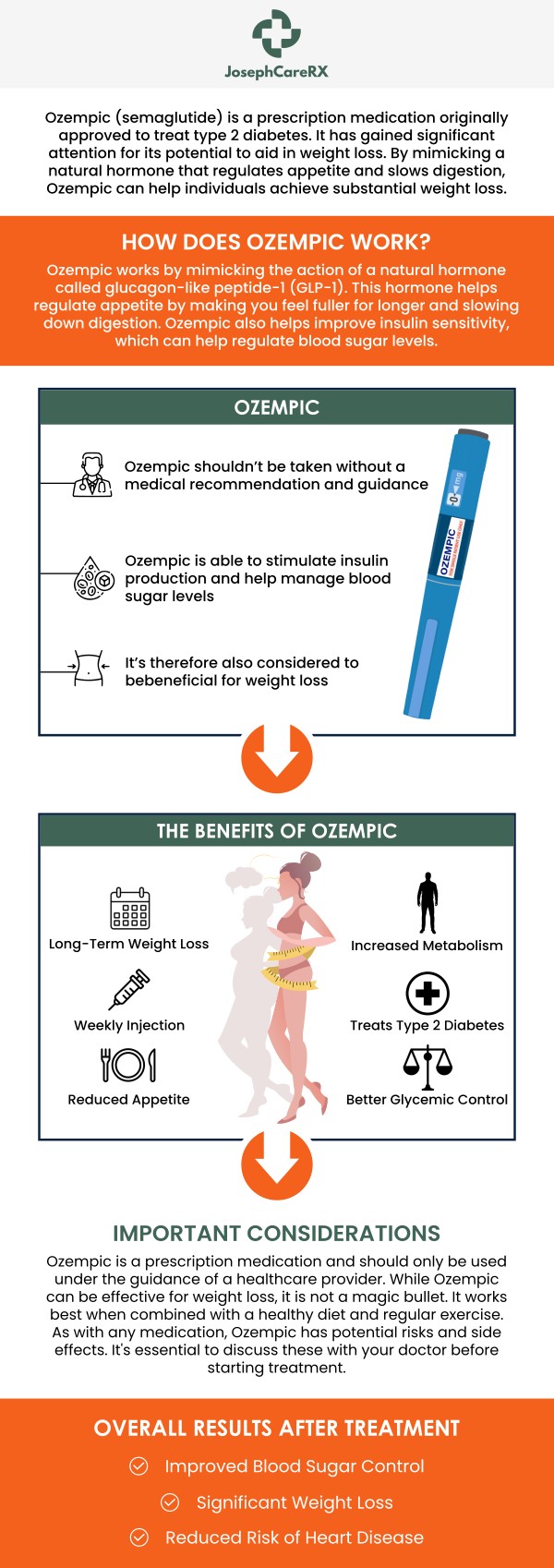
Table of Contents:
What Are Peptides, and How Do They Work in the Body?
Is Ozempic Considered a Peptide-Based Medication?
How Does Semaglutide in Ozempic Mimic Naturally Occurring GLP-1 Hormones?
Are Peptide Therapies Suitable for Everyone Seeking Weight Loss Support?
What Should Patients Discuss With a Healthcare Provider Before Considering Ozempic?
How Can Dr. Leah Joseph, MD, FACP Provide Personalized Guidance on Ozempic and Peptide-Based Weight Management Options?
Peptides are short chains of amino acids, which are the same building blocks used to form proteins. Many naturally occurring peptides act as signaling molecules, carrying instructions between cells and helping regulate processes such as metabolism, appetite, digestion, immune activity, tissue repair, and hormone release.
A peptide generally works by attaching to a specific receptor on or within a target cell. This interaction activates a biological response, much like a key fitting into a particular lock. Because different peptides bind to different receptors, their effects depend on their structure, location, and intended physiological role.
At JosephCareRX, patients can learn how medically appropriate peptide-based treatments may complement a broader health or weight-management plan. Any therapy should be selected after reviewing the patient’s medical history, health goals, current medications, and potential risk factors.
Yes. Ozempic contains semaglutide, a laboratory-developed peptide that resembles the naturally occurring glucagon-like peptide-1 hormone, commonly called GLP-1. It belongs to a medication class known as GLP-1 receptor agonists because it activates the same receptors used by the body’s natural GLP-1 hormone.
Semaglutide has been structurally modified so that it remains active in the body much longer than naturally produced GLP-1. These modifications allow the injectable form of Ozempic to be administered weekly while supporting glucose-dependent insulin release, reducing glucagon secretion, and slowing stomach emptying.
Our team can help patients understand the difference between general peptide therapy and prescription GLP-1 treatment. Ozempic is FDA-approved primarily for adults with type 2 diabetes and certain cardiovascular or kidney-risk indications; it is not specifically approved under the Ozempic brand for chronic weight management.
Natural GLP-1 is released from the digestive system after eating. It communicates with receptors in the pancreas, brain, stomach, and other tissues, helping the body release insulin when blood glucose is elevated, reduce unnecessary glucagon production, and coordinate appetite and digestive activity.
Semaglutide has a structure similar to human GLP-1, allowing it to bind to and activate GLP-1 receptors. Its design makes it more resistant to rapid enzymatic breakdown and enables it to remain in circulation longer than the natural hormone. This prolonged activity can improve feelings of fullness, reduce appetite, and slow gastric emptying.
During a consultation at JosephCareRX, patients can receive individualized education about how these effects may relate to their metabolic health and treatment goals. Responses vary, and semaglutide should be considered alongside nutrition, physical activity, existing conditions, and appropriate clinical monitoring.
Peptide-based treatments are not automatically appropriate for every person who wants to lose weight. Eligibility depends on factors such as body composition, weight-related health concerns, treatment goals, medical history, previous weight-management efforts, current medications, and the specific peptide being considered.
Prescription GLP-1 therapies may be unsuitable or require additional caution for people with certain thyroid tumor histories, pancreatitis concerns, severe digestive disorders, pregnancy plans, gallbladder problems, kidney concerns, or previous serious allergic reactions. A clinician must also consider possible interactions and the risk of low blood sugar when certain diabetes treatments are used together.
Our team approaches peptide-based weight management as one possible component of individualized care rather than a universal solution. A complete evaluation helps determine whether treatment is clinically appropriate and whether lifestyle support, another intervention, or a different medical strategy may be safer.
Patients should discuss why they are considering Ozempic and whether its approved uses align with their medical needs. The conversation should include diabetes history, weight-related concerns, previous treatment attempts, nutrition and activity habits, allergies, pregnancy or breastfeeding status, and any planned surgical or dental procedures.
It is also important to disclose a personal or family history of medullary thyroid carcinoma, Multiple Endocrine Neoplasia syndrome type 2, pancreatitis, gallbladder disease, kidney problems, diabetic eye disease, or severe gastrointestinal symptoms. Patients should provide a complete list of prescription medicines, nonprescription products, vitamins, and supplements.
At JosephCareRX, this information can be used to evaluate potential benefits, contraindications, side effects, monitoring needs, and realistic expectations. Patients should also ask about the medication’s approved indication, alternatives, treatment costs, follow-up appointments, and what symptoms would require prompt medical attention.
Dr. Leah Joseph, MD, FACP can begin by reviewing the patient’s health history, weight-management goals, current medications, metabolic concerns, and previous approaches to weight loss. This individualized assessment helps clarify whether a GLP-1 medication or another medically supervised strategy may be appropriate.
She can also explain how semaglutide works, distinguish Ozempic’s approved indications from semaglutide products specifically approved for chronic weight management, and discuss potential benefits and limitations. Personalized guidance may include reviewing contraindications, possible side effects, lifestyle factors, follow-up needs, and measurable treatment goals.
At JosephCareRX, patients can participate in informed decision-making rather than relying on generalized weight-loss trends or unapproved products purchased without proper oversight. Ongoing clinical guidance can help patients understand their progress, raise concerns promptly, and determine whether the selected approach continues to fit their overall health needs. For more information, contact us or book an appointment online. We are conveniently located at 2504 Raeford Road #101 Fayetteville NC. We serve patients from Fayetteville NC, Hope Mills NC, Spring Lake NC, Cedar Creek NC, and surrounding areas.
Check Out Our 5 Star Reviews






 Send Text
 How May I Help You?