

What Should You Know About Ozempic as a Peptide Therapy Option in Hope Mills, NC?
Dr. Leah Joseph, MD, FACP, at JosephCareRX helps patients understand how Ozempic works, who may qualify for treatment, and which benefits and risks to consider. Through personalized evaluations and ongoing medical monitoring, she guides patients toward informed weight management decisions based on their health history, lifestyle, and long-term wellness goals. For more information, contact us or book an appointment online. We are conveniently located at 2504 Raeford Road #101 Fayetteville NC.
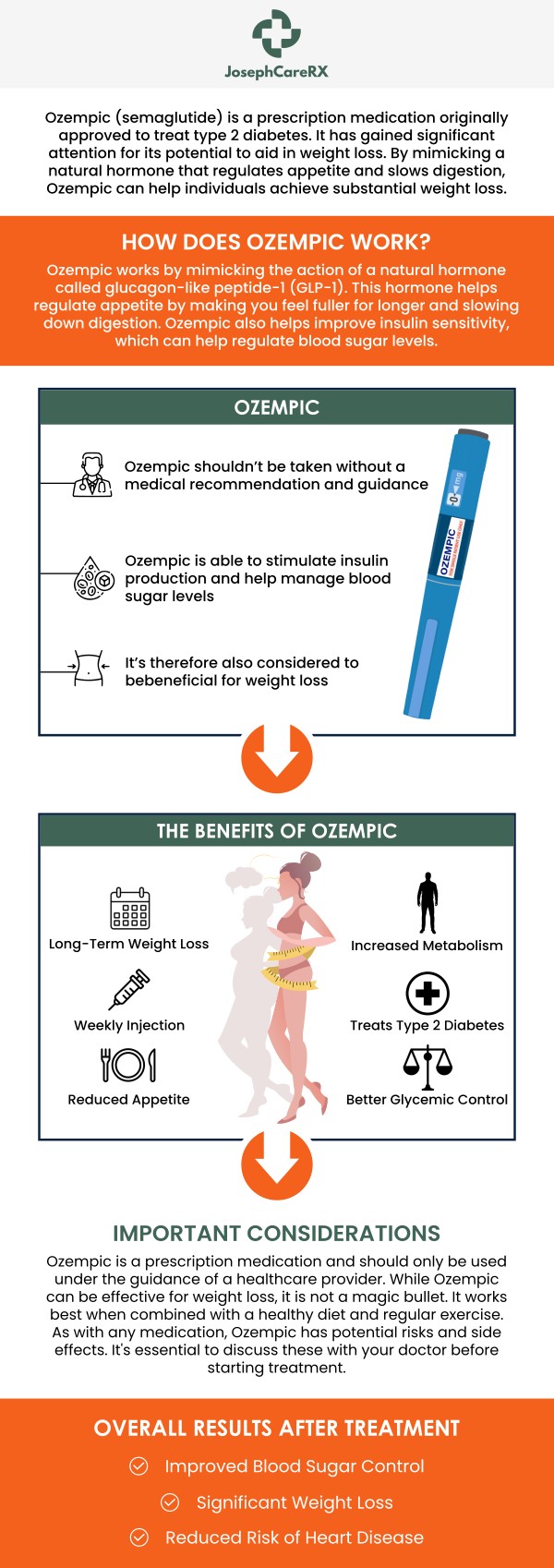
Table of Contents:
What Is Ozempic, and Is It Considered a Peptide Medication?
How Does Ozempic Work in the Body to Support Weight Management?
How Do GLP-1 Peptides Help Regulate Appetite and Metabolism?
What Are the Potential Benefits of Ozempic for Eligible Patients?
How Does a Provider Monitor Progress During Ozempic Therapy?
How Can Dr. Leah Joseph, MD, FACP Help Patients in Hope Mills, NC Understand Whether Ozempic Is an Appropriate Option for Their Weight Management Goals?
Ozempic is a prescription medication containing semaglutide, a substance designed to act like glucagon-like peptide-1, or GLP-1, a naturally occurring hormone involved in blood sugar regulation, digestion, and appetite signaling. The FDA classifies Ozempic as a GLP-1 receptor agonist and approves it primarily for adults with type 2 diabetes, including certain cardiovascular and kidney-related risk-reduction uses.
Semaglutide has a modified peptide structure that closely resembles human GLP-1. For this reason, Ozempic may be discussed as a peptide-based therapy, although “peptide medication” is not its primary regulatory classification. Its modifications allow semaglutide to remain active in the body longer than naturally produced GLP-1, supporting once-weekly administration.
At JosephCareRX, patients can receive clear information about how semaglutide differs from other peptide therapies and why the specific product being considered matters. Ozempic is not FDA-approved specifically for chronic weight management; another semaglutide product, Wegovy, carries that indication for eligible patients.
Ozempic activates GLP-1 receptors throughout the body. When blood glucose is elevated, semaglutide helps stimulate insulin release while reducing glucagon secretion. These glucose-dependent effects improve the way the body manages blood sugar, which is the primary reason Ozempic is prescribed for adults with type 2 diabetes.
Semaglutide may also reduce appetite and delay the movement of food from the stomach during the early period after eating. Patients may feel satisfied sooner, remain full longer, and find it easier to reduce their overall food intake. These effects can contribute to body-weight reduction, although individual outcomes vary considerably.
JosephCareRX can help patients understand that medication works best as one component of a broader health plan rather than as a replacement for balanced nutrition, physical activity, sleep, and behavioral support. A medical evaluation is also necessary because using Ozempic solely for weight management may constitute off-label use rather than an FDA-approved weight-loss indication.
GLP-1 is a naturally occurring peptide hormone released in response to food. It communicates with the pancreas, brain, and digestive system to help coordinate glucose control and feelings of fullness. GLP-1 receptor agonists imitate these signals by attaching to the same receptors activated by the body’s natural hormone.
These therapies can affect appetite by acting on areas of the brain involved in hunger and satiety. They may also slow gastric emptying, helping food remain in the stomach longer, and support glucose-dependent insulin secretion. Together, these actions may reduce hunger, lessen frequent thoughts about food, and promote smaller portions.
During a consultation, patients can learn how GLP-1 therapies may fit into a personalized metabolic health strategy. Results are not identical for everyone, and treatment decisions should consider current health conditions, eating habits, previous weight-management efforts, potential risks, and the patient’s ability to maintain recommended lifestyle changes.
For adults with type 2 diabetes, Ozempic may improve fasting and after-meal blood glucose levels when used alongside diet and exercise. The current FDA-approved indications also include reducing certain cardiovascular risks in adults with type 2 diabetes and established cardiovascular disease, as well as reducing specified kidney and cardiovascular risks in adults with type 2 diabetes and chronic kidney disease.
Some patients also experience decreased appetite and body-weight reduction during semaglutide treatment. These effects may help individuals follow portion-control goals and improve certain obesity-related health concerns. However, the amount of weight lost varies, and the FDA-approved semaglutide product specifically intended for chronic weight management is Wegovy rather than Ozempic.
Our team can help eligible patients weigh potential benefits against common side effects such as nausea, vomiting, diarrhea, abdominal discomfort, and constipation. The evaluation should also address serious warnings and contraindications, including a personal or family history of medullary thyroid carcinoma or multiple endocrine neoplasia syndrome type 2.
Monitoring typically begins with a review of the patient’s medical history, current medications, treatment goals, baseline weight, blood pressure, and relevant metabolic measurements. For patients with diabetes, follow-up may include blood glucose patterns and laboratory testing such as A1C. Progress should be evaluated through overall health changes rather than scale weight alone.
Follow-up visits may assess appetite, food intake, body-weight trends, adherence, injection technique, and tolerance. Clinicians also watch for symptoms such as persistent vomiting, severe abdominal pain, dehydration, changes in vision, gallbladder concerns, or allergic reactions. Gastrointestinal effects are particularly common during dose escalation and may require closer observation.
At JosephCareRX, ongoing monitoring can help determine whether the treatment remains appropriate, beneficial, and well tolerated. Patients should report new symptoms and provide an updated list of prescriptions, nonprescription products, and supplements because semaglutide may affect gastric emptying and can influence how certain oral medications are absorbed.
Dr. Leah Joseph, MD, FACP can begin by reviewing each patient’s weight history, previous lifestyle efforts, current health concerns, medications, and personal goals. This assessment can clarify whether a prescription-based approach is medically reasonable and whether Ozempic’s approved uses apply to the patient’s circumstances.
She can also explain the important distinction between Ozempic and semaglutide products specifically approved for chronic weight management. Patients should understand expected effects, realistic outcomes, possible off-label use, common digestive symptoms, serious precautions, and factors that may make GLP-1 therapy unsuitable.
Through JosephCareRX, our team can support informed decision-making by discussing potential benefits and limitations in language patients can understand. When treatment is appropriate, follow-up care can focus on progress, tolerance, nutrition, physical activity, and sustainable habits so that weight-management decisions remain individualized and medically guided. For more information, contact us or book an appointment online. We are conveniently located at 2504 Raeford Road #101 Fayetteville, NC. We serve patients from Fayetteville NC, Hope Mills NC, Spring Lake NC, Cedar Creek NC, and surrounding areas.
Check Out Our 5 Star Reviews






 Send Text
 How May I Help You?